China White Pigment Lithopone and Heat Resistance: Insights from Xinluo Architecture
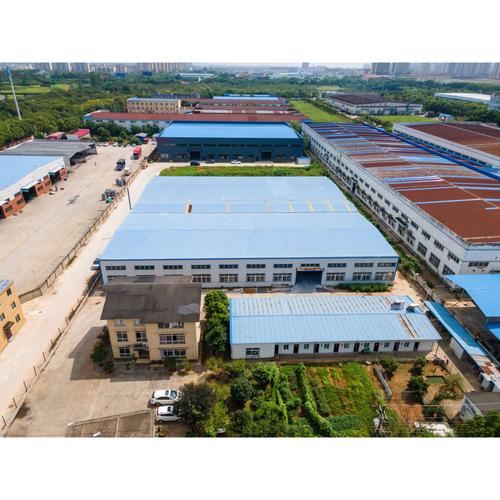
China white pigment lithopone is a widely used white pigment in the coatings, plastics, and rubber industries. It is a co-precipitated mixture of zinc sulfide (ZnS) and barium sulfate (BaSO₄), typically in a 30:70 ratio. Lithopone offers excellent whiteness, good hiding power, and moderate resistance to heat and light, making it a cost-effective alternative to titanium dioxide in certain applications. In the context of architecture and construction materials—as referenced by Xinluo Architecture—understanding the heat resistance of lithopone is essential for evaluating its performance in exterior coatings, thermal barriers, and building products.
Lithopone’s heat resistance is generally considered good up to around 200–250°C, depending on the grade and purity. Above this range, zinc sulfide can begin to oxidize to zinc oxide, which may cause slight color changes or loss of brightness. For architectural applications such as facade paints, roof coatings, and sealants, lithopone performs well under normal environmental temperatures. However, for high-temperature industrial coatings or fire-resistant building components, formulators often blend lithopone with heat-stabilized pigments or use modified grades with improved thermal stability.
Xinluo Architecture, a firm engaged in modern building design and materials selection, emphasizes that lithopone’s heat resistance must be matched to the specific application. In exterior wall coatings exposed to direct sunlight, lithopone provides adequate stability, but prolonged exposure to high heat (e.g., near metal roofing or industrial vents) may require additives or alternative pigments. Additionally, lithopone’s alkalinity resistance and UV stability contribute to long-term architectural durability.
Recent developments in Chinese lithopone production have focused on surface treatment and particle size control to enhance heat resistance and dispersibility. Manufacturers now offer coated grades that reduce photocatalytic activity and improve thermal stability, extending lithopone’s use in high-performance architectural coatings. When specifying lithopone for heat-exposed architectural applications, professionals should verify the grade’s thermal stability data, consider co-pigments, and ensure compatibility with the binder system. Overall, China white pigment lithopone remains a versatile and economical choice for many architectural needs, provided its heat resistance limits are respected and proper testing is conducted.
如若转载,请注明出处:http://www.7g6sv.com/product/43.html
更新时间:2026-11-03 14:05:00